From one classroom in Rossettenville to five campuses across three provinces — a quietly determined journey to enlighten South African healthcare.
It is the year 2002. South Africa is still finding its rhythm in the post-apartheid era; a generation of young women in Rossettenville are working as carers without formal qualification. Mrs A.L. Nkuna, a respected nursing tutor and the eldest of seven siblings raised on the slopes of the Drakensberg, decides that no community should have to wait any longer.
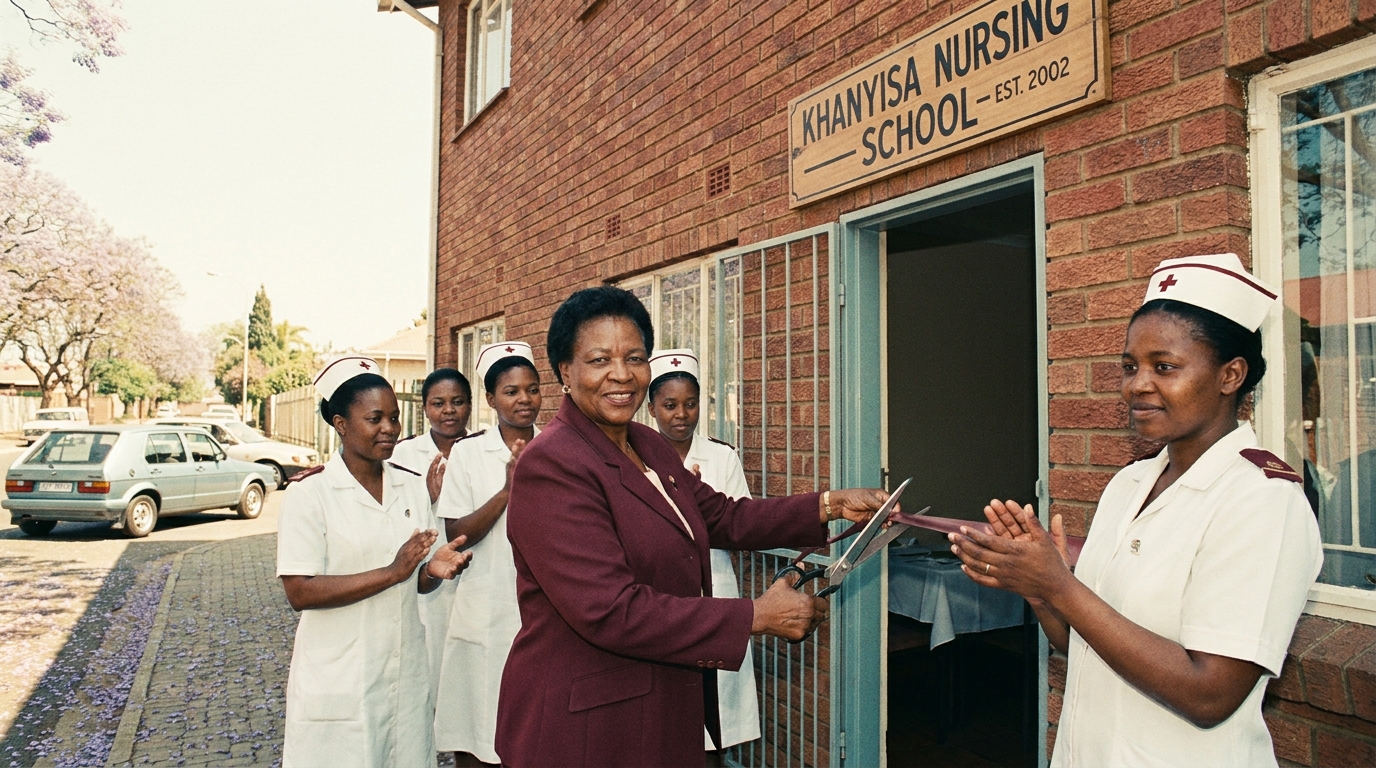
With a borrowed projector, a chalkboard, and sixteen learner auxiliary nurses, she opens the doors of Khanyisa Nursing School in a converted residence on Donnelly Street. The word khanyisa — “to enlighten” in isiZulu — is hand-painted onto a wooden sign that still hangs in the foyer today.
Twenty-two years later, more than nine thousand alumni serve in clinics, hospitals, hospices and community programmes from Musina to Mossel Bay. The chalkboard is gone, but the conviction has not changed.



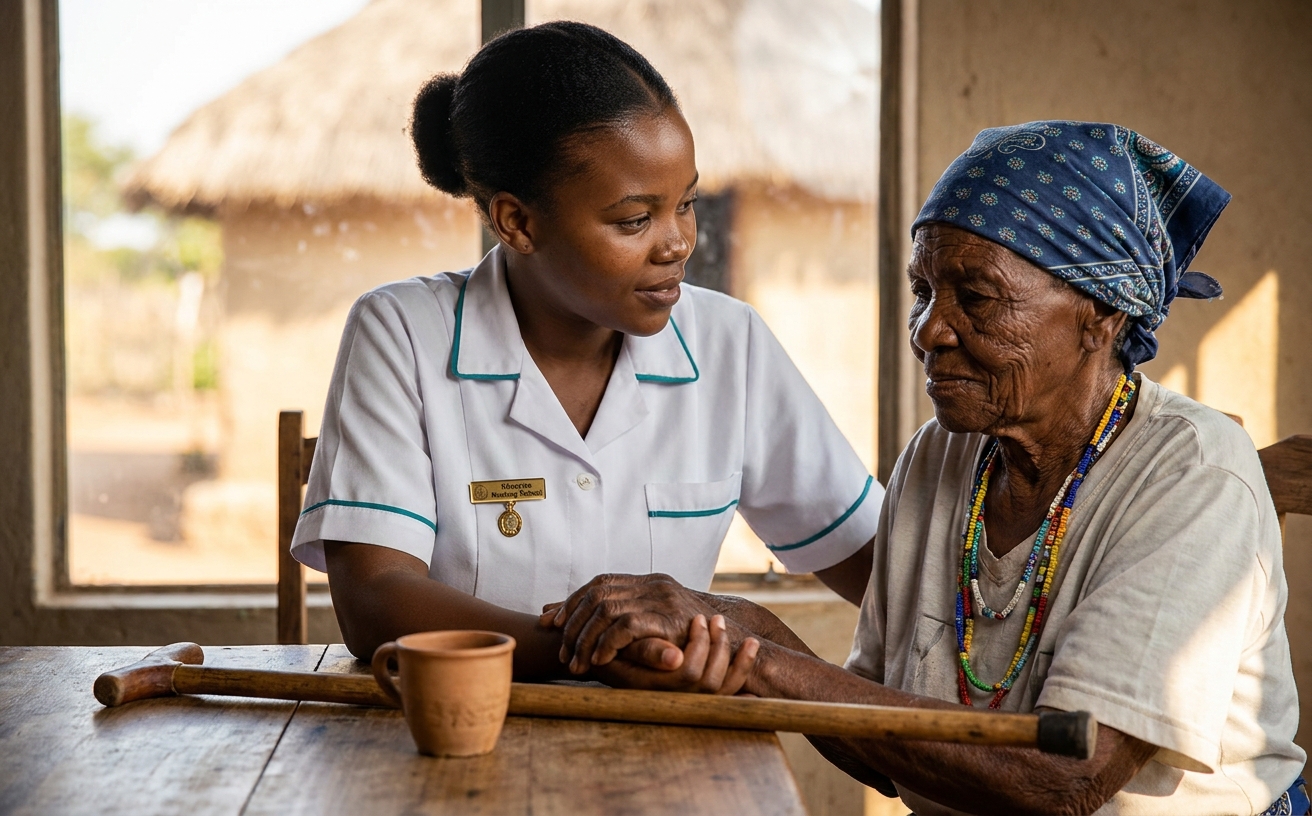
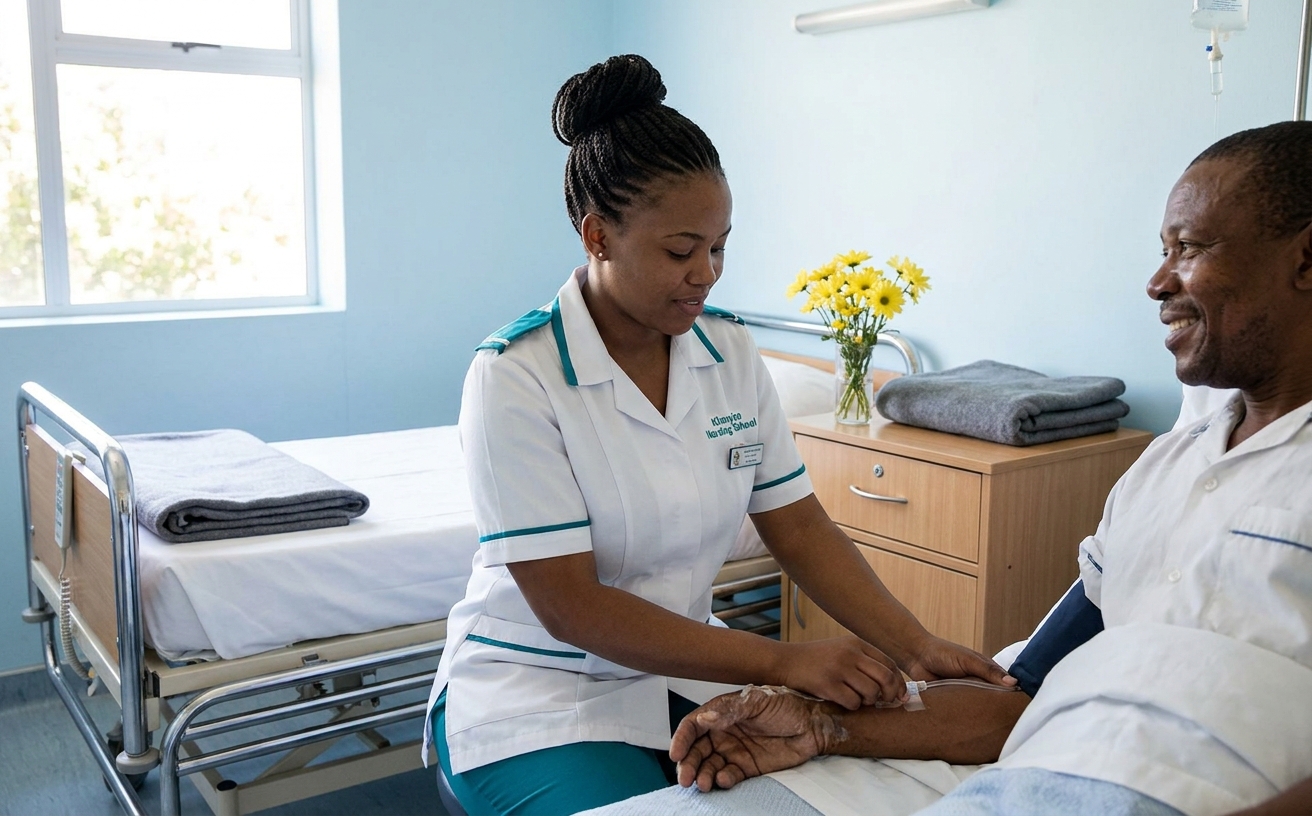
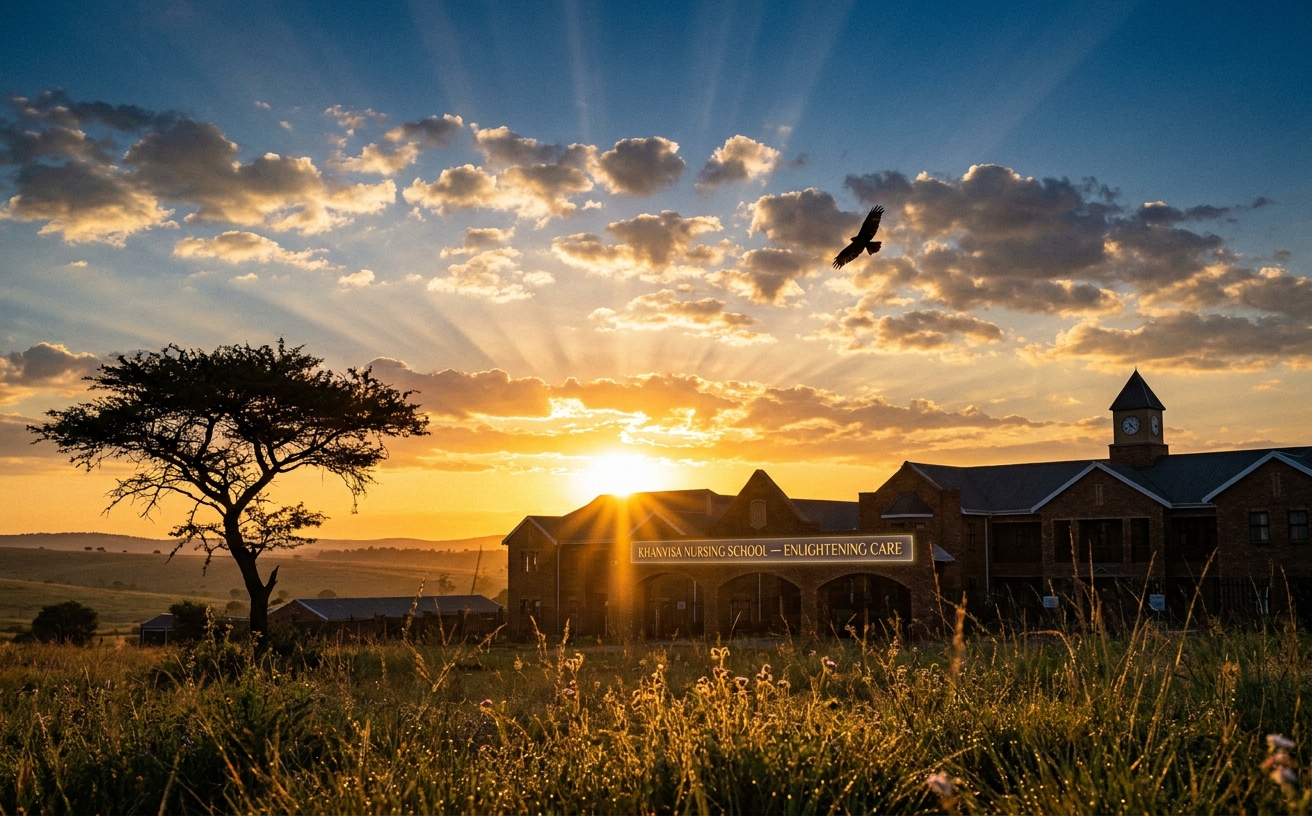
Khanyisa Nursing School (Pty) Ltd is a private higher-education institution registered with the Department of Higher Education and Training (DHET) under registration certificate 2018/HE07/003, with its head office in Gauteng. The school operates four additional sub-campuses across Mpumalanga and the Free State.
The following programmes are registered in terms of section 54(3) of the Higher Education Act, valid until 31 December 2027:
All clinical components are conducted in partnership with public-sector and accredited private hospitals, in line with the requirements of the South African Nursing Council (SANC).
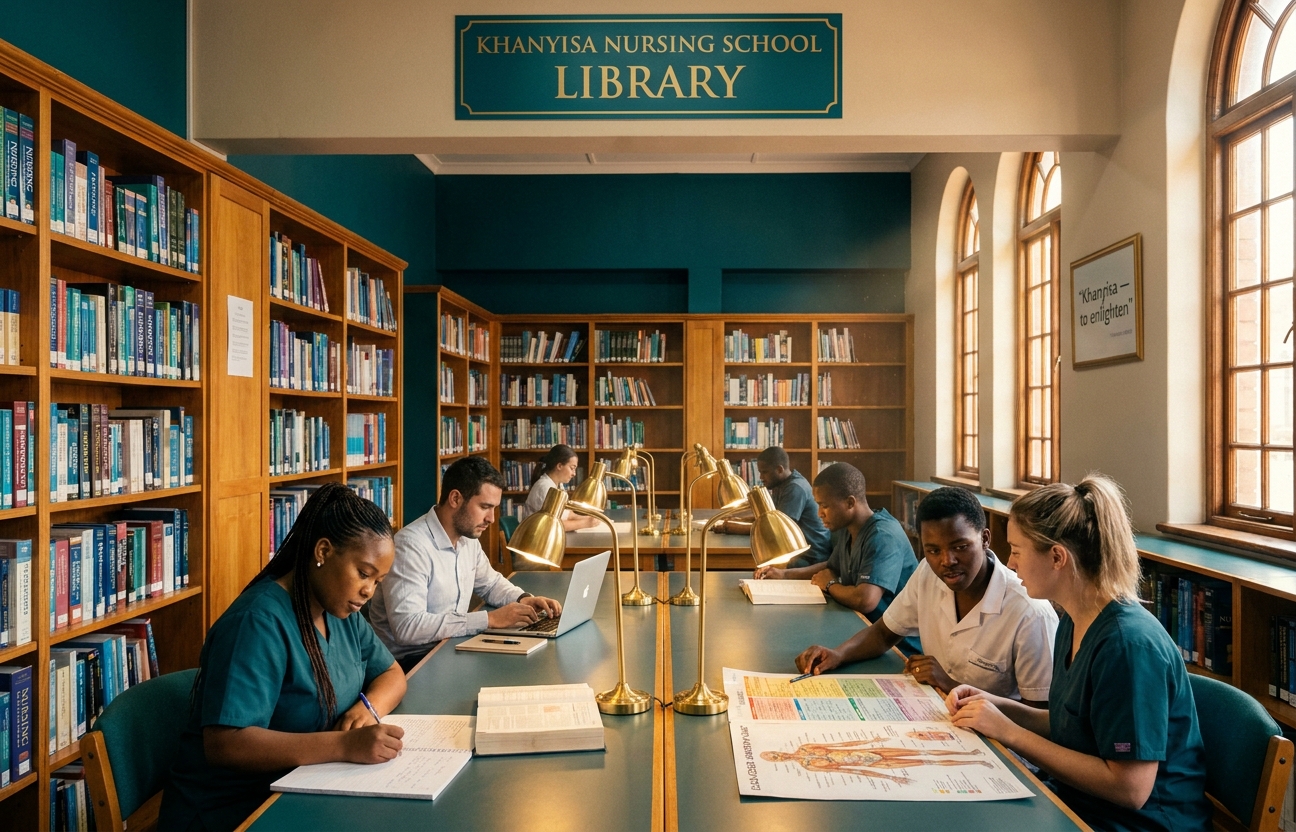
When I founded Khanyisa twenty-two years ago, I did not set out to build a school. I set out to keep a promise — one I had made to my own late mother, a midwife who walked between villages with her bag on her back, that no daughter or son of this country would have to choose between calling and qualification.
Today, when I see a young woman from Maviljan put on her white tunic for the first time, or a domestic worker in her late thirties step into a clinical placement with the trembling courage of someone who has waited her whole life — I remember that promise. Khanyisa is not a building. It is a torch we pass, one student at a time.
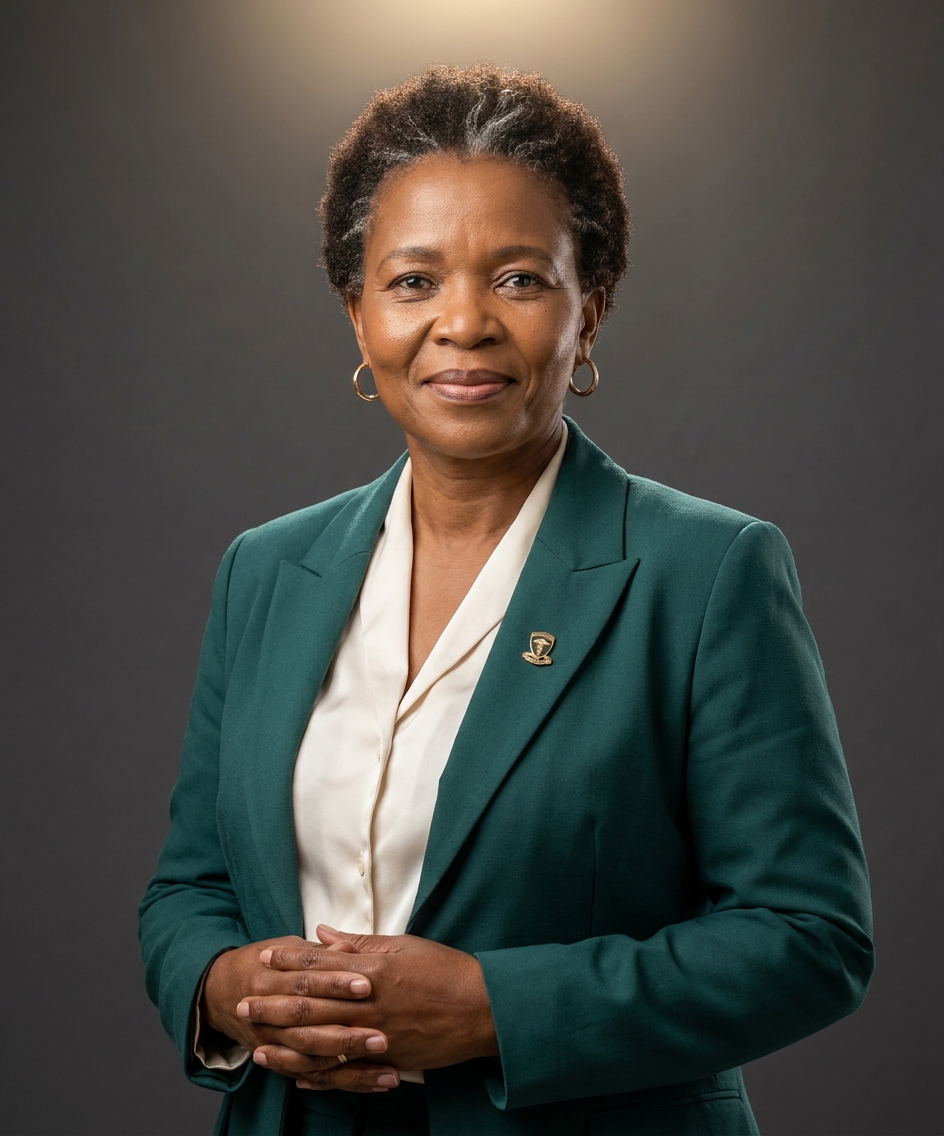
— Mrs A.L. Nkuna, Chief Executive Officer